Introduction:
Imagine two traders. Both have the same strategy, the same capital, the same tools. One makes consistent profits. The second time, they win big, the second time, they lose everything. The difference? Personal discipline. Not strategy, not analysis, not even luck – simply the ability to stick to a plan when emotions scream "do something different .
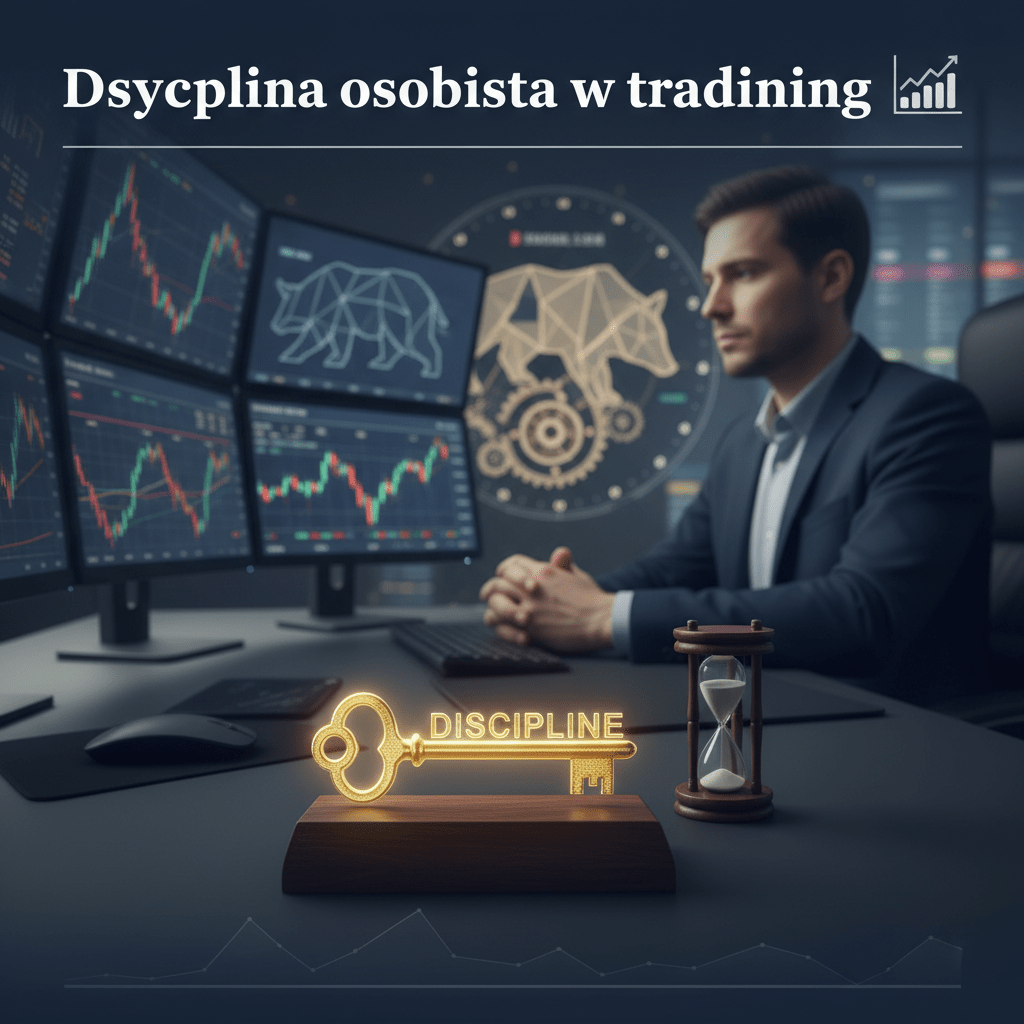
Discipline is what separates the professionals from the gamblers with pretty charts. And the good news? Discipline can be learned—like any other skill.
What is personal discipline in trading?
Personal discipline is the ability to do what needs to be done, when it needs to be done—regardless of what you feel like doing at the time. It's consciously adhering to the rules you've established without hesitation, instead of reacting to fear, greed, or FOMO .
In practice, this means three things:
Consistently implementing the plan and strategy that you have written down (not in your head).
Accepting losses as a natural part of the process, without forcing yourself to “bounce back.”.
Refraining from entering or exiting the market when there is no signal – even if it is “very tempting.”.
The Most Common Discipline Pitfalls – Where Everyone Falls
A lack of discipline doesn't look spectacular – it just looks like, "I'll make an exception this time .
You increase your position because the previous three trades were profitable and you are on a winning streak.
You move your stop-loss “a little lower” because you don’t want to accept the loss.
You enter a trade without a full signal, "because the market is about to run away.".
The problem is that these "exceptions" constantly undermine your confidence and trust in your own system. Over time, you stop knowing what works—strategy or chance—because you never see the net results, only a constant mix of plan and impulse.
How to build discipline through practice?
Discipline doesn't come with an ebook or a single weekend of charting. It has to be built like a muscle—through repetitive, sometimes boring work .
Some specific rules:
One strategy at a time – don't mix and match approaches until you've thoroughly tested it. The simpler the set of rules, the easier it is to follow.
Pre-determined entry, exit, and risk rules – before you open the platform, you know: when you enter, where you set the SL, where the TP, how much of your capital you risk.
No "revenge on the market" – after a major loss you have a pre-determined break (e.g. at least an hour or the end of the day).
Daily transaction limit – to avoid compulsively clicking and overtrading, which usually ends in an emotional ride.
Rituals and Habits That Strengthen Discipline.
Discipline isn't just about willpower, but also about a well-organized day. The fewer decisions you make on the fly, the better .
In practice it works great:
Morning ritual before the market – a short plan for the day: what is the market context, where are the key levels, what do you want to trade today and what are you consciously avoiding.
Checklist before each trade – a few simple questions:
Is the signal consistent with my strategy?
Are stop-loss and position size set?
Am I under the influence of emotions (revenge, FOMO, profit euphoria)?
Post-session debrief – 10–15 minutes to review:
Did you stick to the plan?
Where did you break the rules and why?
What will you do differently tomorrow?
This isn't "extra paperwork." This is discipline training—you're teaching your brain that trading is a process, not a casino draw.
The Psychology of Discipline – What Goes on in a Trader's Head.
The greatest enemy of discipline lies within – the belief that "this time I'll succeed despite breaking the rules." Once you escape a losing position without a stop loss and the market turns in your favor, your brain registers: "Breaking the rules = reward." And from that moment on, you start fighting not the market, but your own habit .
This is why:
It's better to get "punished" by the market when you break the rules (a conscious lesson) than to be rewarded for breaking the plan.
Your goal isn't to "always be right," but to play the same game by the same rules. The outcome is a byproduct of the process, not the other way around.
Summary – Discipline is a daily decision.
Personal discipline in trading is really about deciding to be a professional, not a gambler with pretty charts. And this decision doesn't happen once – you make it every day, with every single trade .
Key points:
Discipline is the ability to stick to the rules despite emotions
A pre- and post-trade checklist is essential
Morning and evening rituals build a habit
It's better to "miss" opportunities than to break the rules
What does your trading discipline look like? Do you have a checklist, ritual, or specific rules that keep you on track? Share them in the comments – any trick for building discipline can help other traders